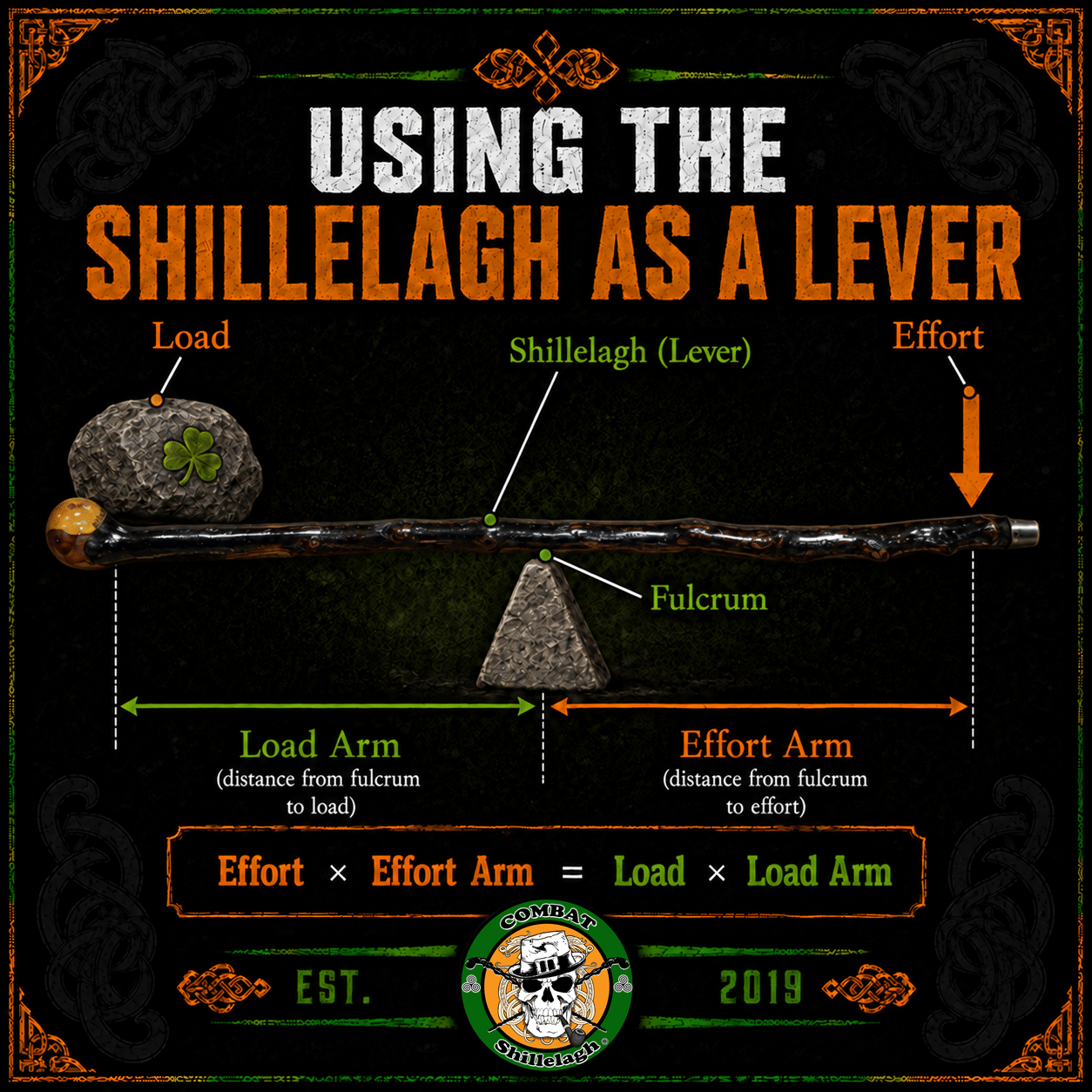
Most students initially think of the shillelagh as a striking weapon. That makes perfect sense. The most obvious use of a three-foot piece of hardwood is to swing it and […]
Ancient Weapon for Modern Times
Most students initially think of the shillelagh as a striking weapon. That makes perfect sense. The most obvious use of a three-foot piece of hardwood is to swing it and […]
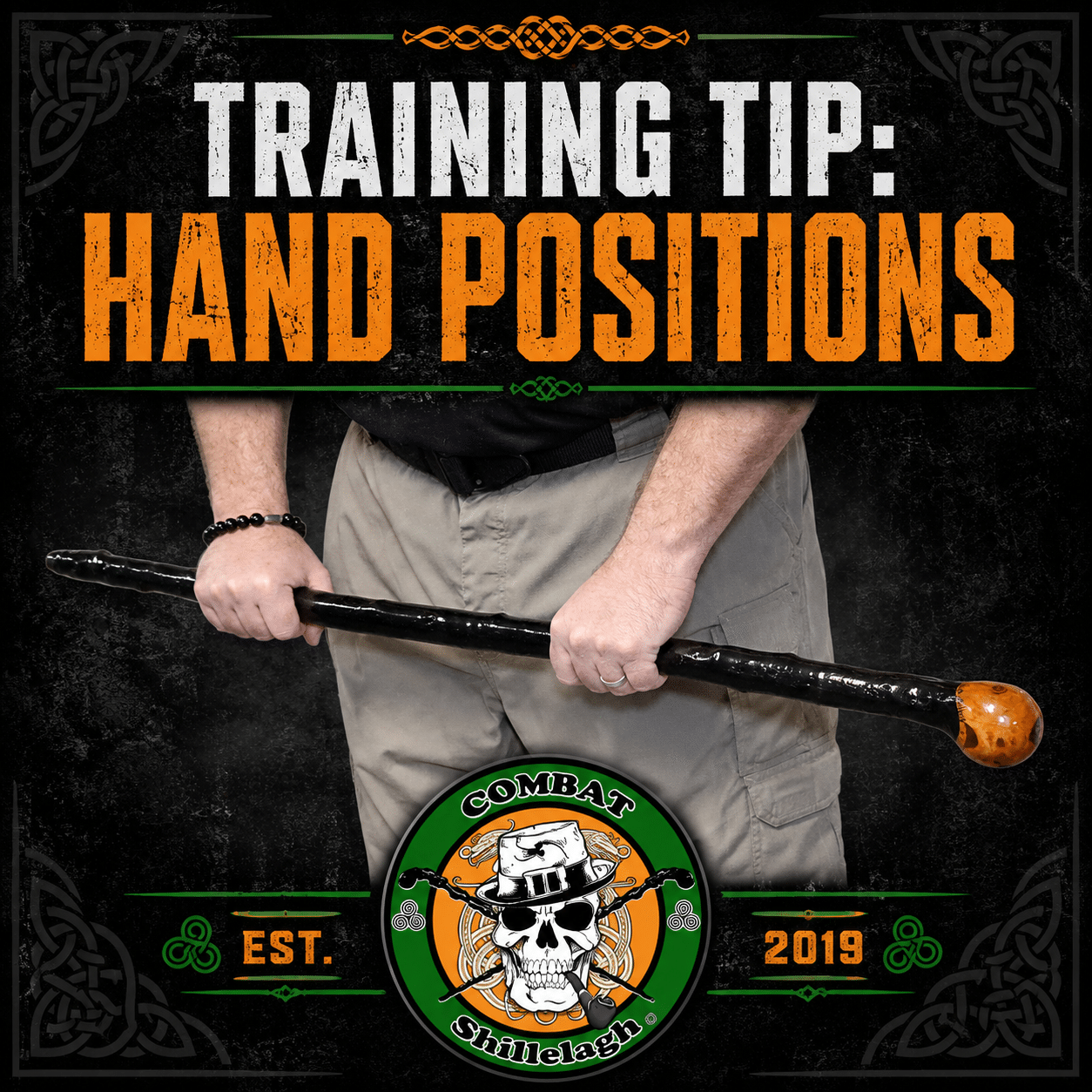
One of the clearest differences between a beginning student and a more advanced practitioner is not simply how hard they can strike or how many techniques they know. It is […]
In Irish Stick Fighting, timing can be the difference between a technique that works and one that fails completely. You can have strong striking mechanics, good footwork, solid power generation, […]
At some point, you made a conscious decision to invest in yourself. You signed up for training, picked up a shillelagh, and chose to learn something that would challenge you […]
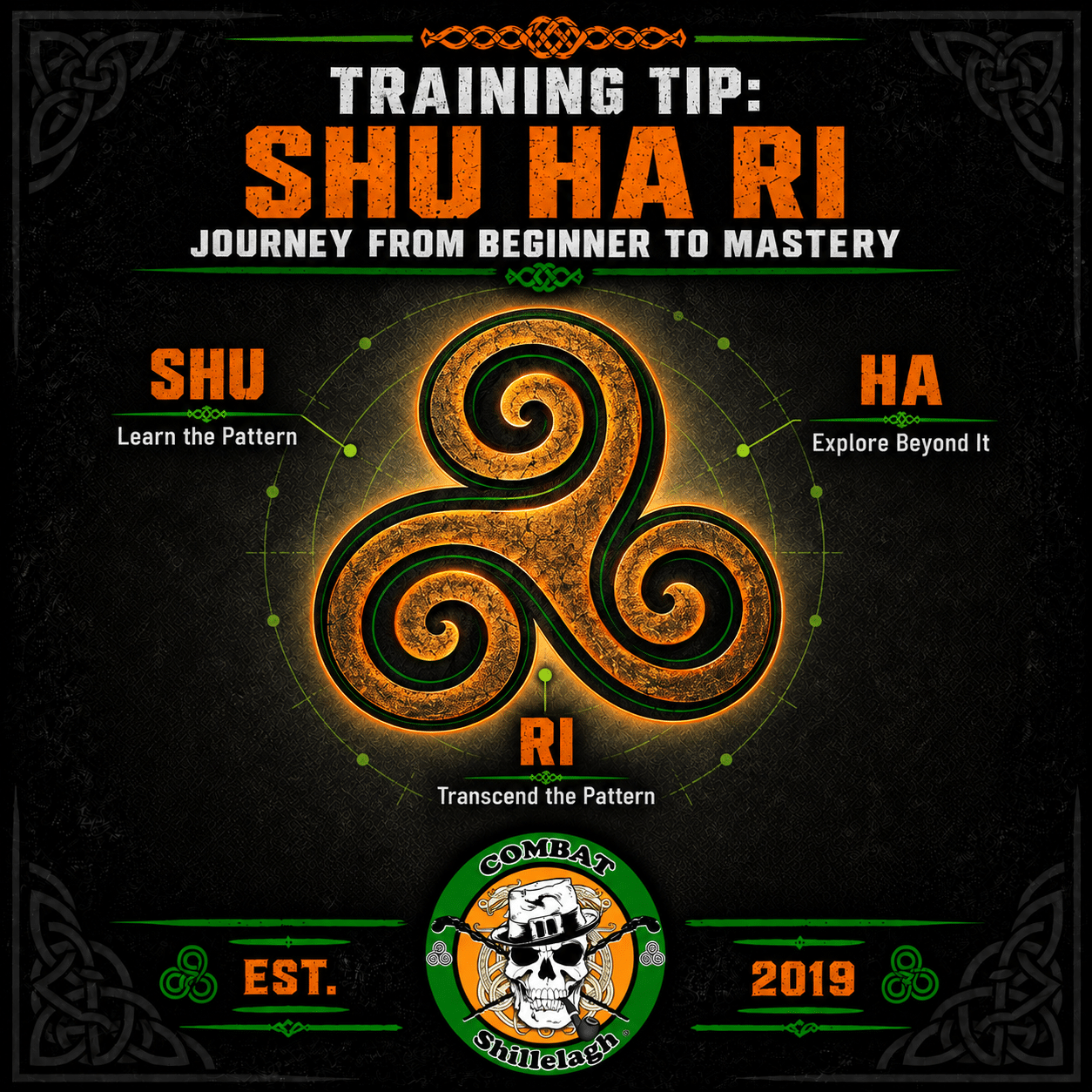
Martial arts traditions around the world have developed different ways to describe the journey from beginner to mastery. One of the most useful models comes from the Japanese concept of […]
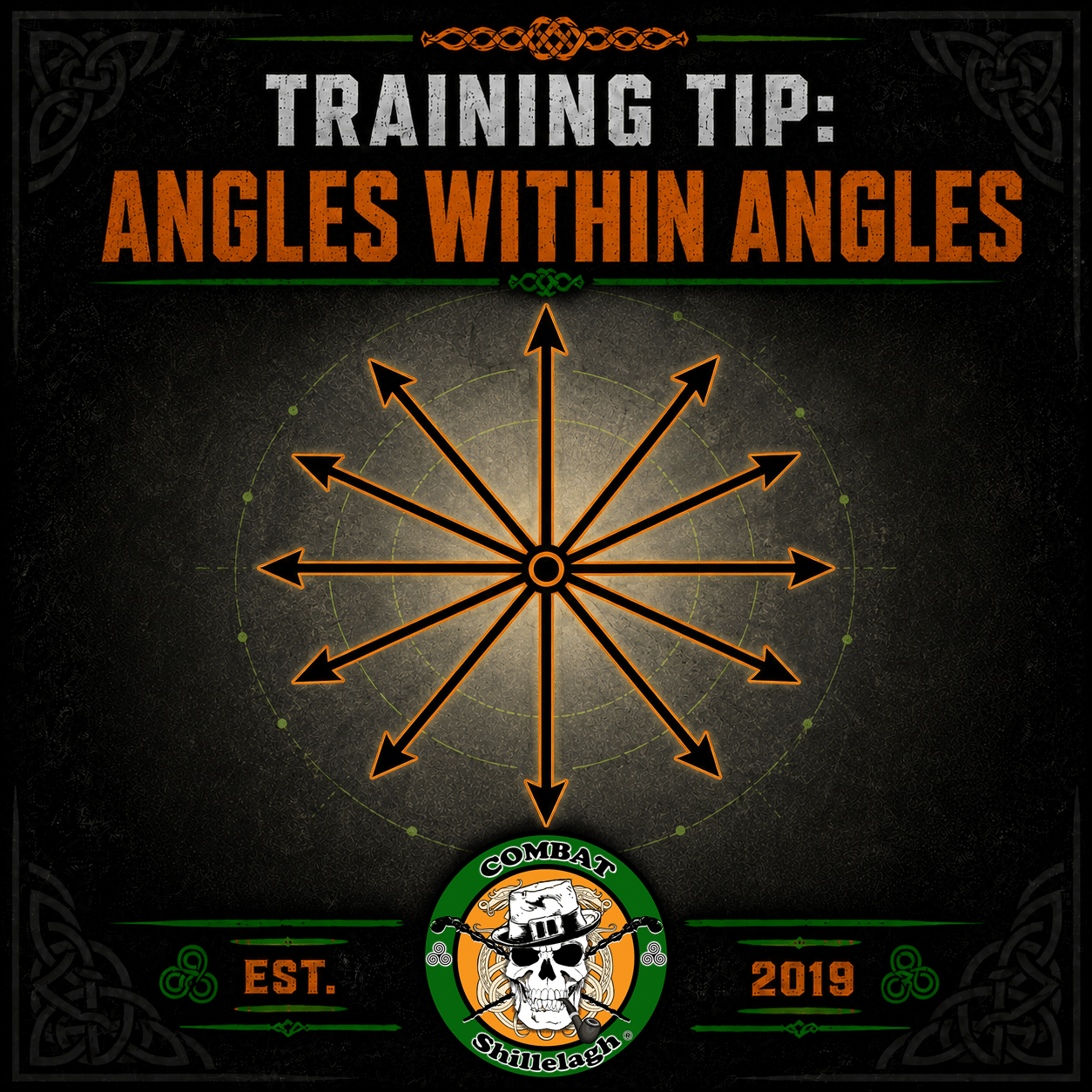
One of the core concepts in the Combat Shillelagh system is what we call the 9 Gates. At first glance, the 9 Gates are simply the major lines or angles […]
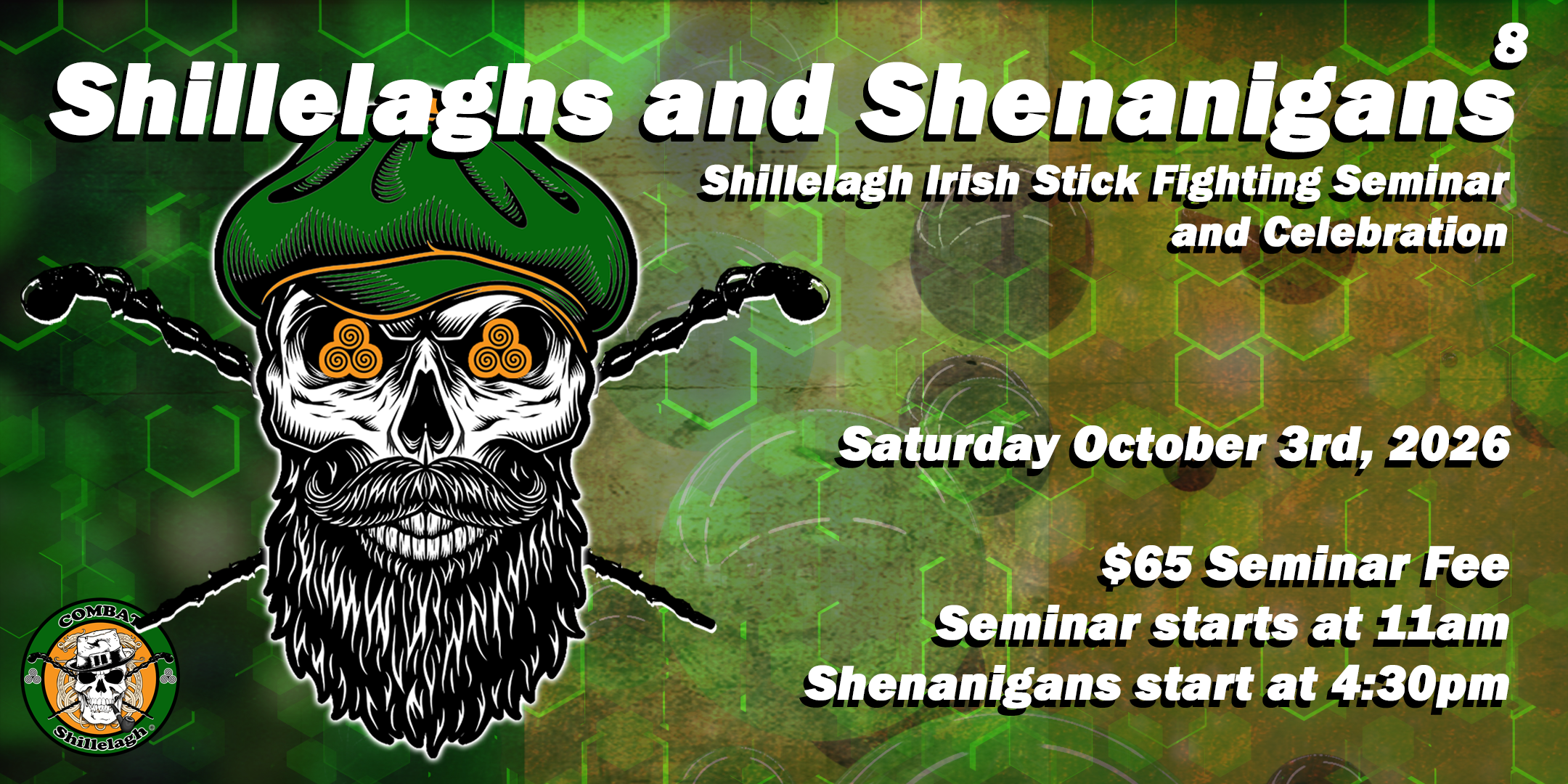
Join us on Saturday October 3rd for our next Shillelaghs and Shenanigans Irish Stick Fighting Seminar! We are hosting our next Shillelagh Irish Stick Fighting Seminar, where we will train […]
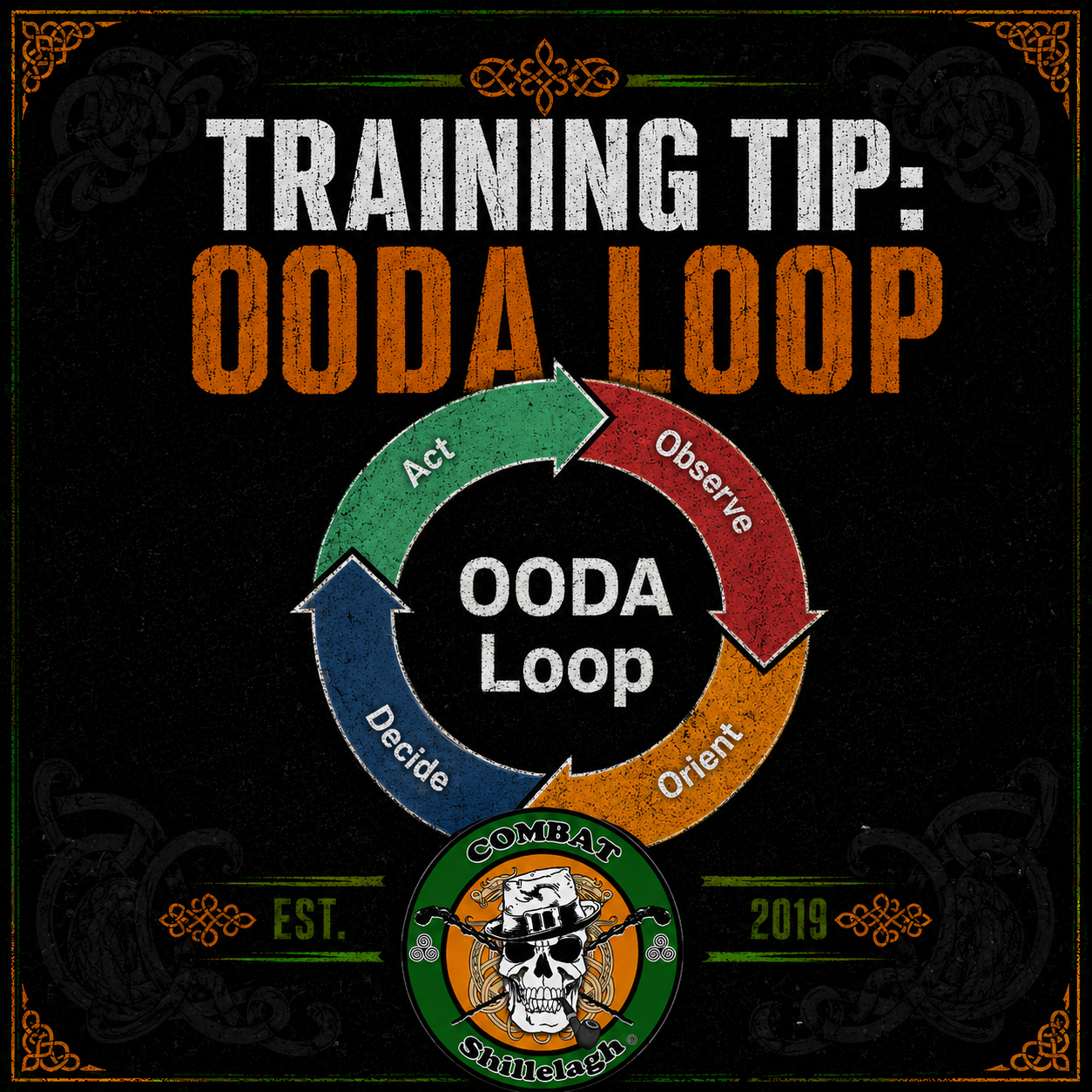
One of the most useful concepts for understanding timing, decision-making, and human reaction in Irish Stick Fighting is the OODA Loop. The term comes from the work of U.S. Air […]
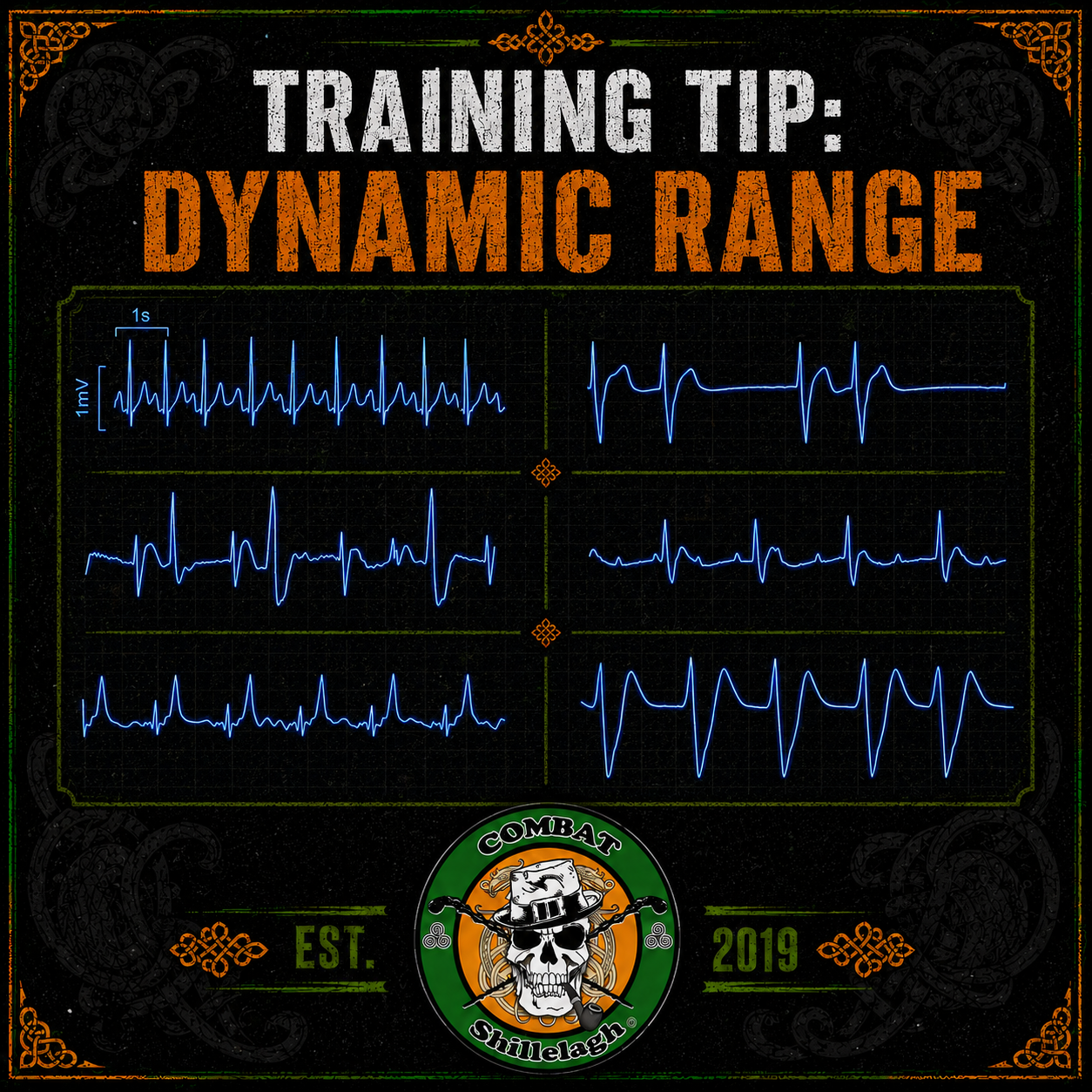
One of the most important skills in Irish Stick Fighting is learning how to manage the space between yourself and another person. It is easy to think of range as […]
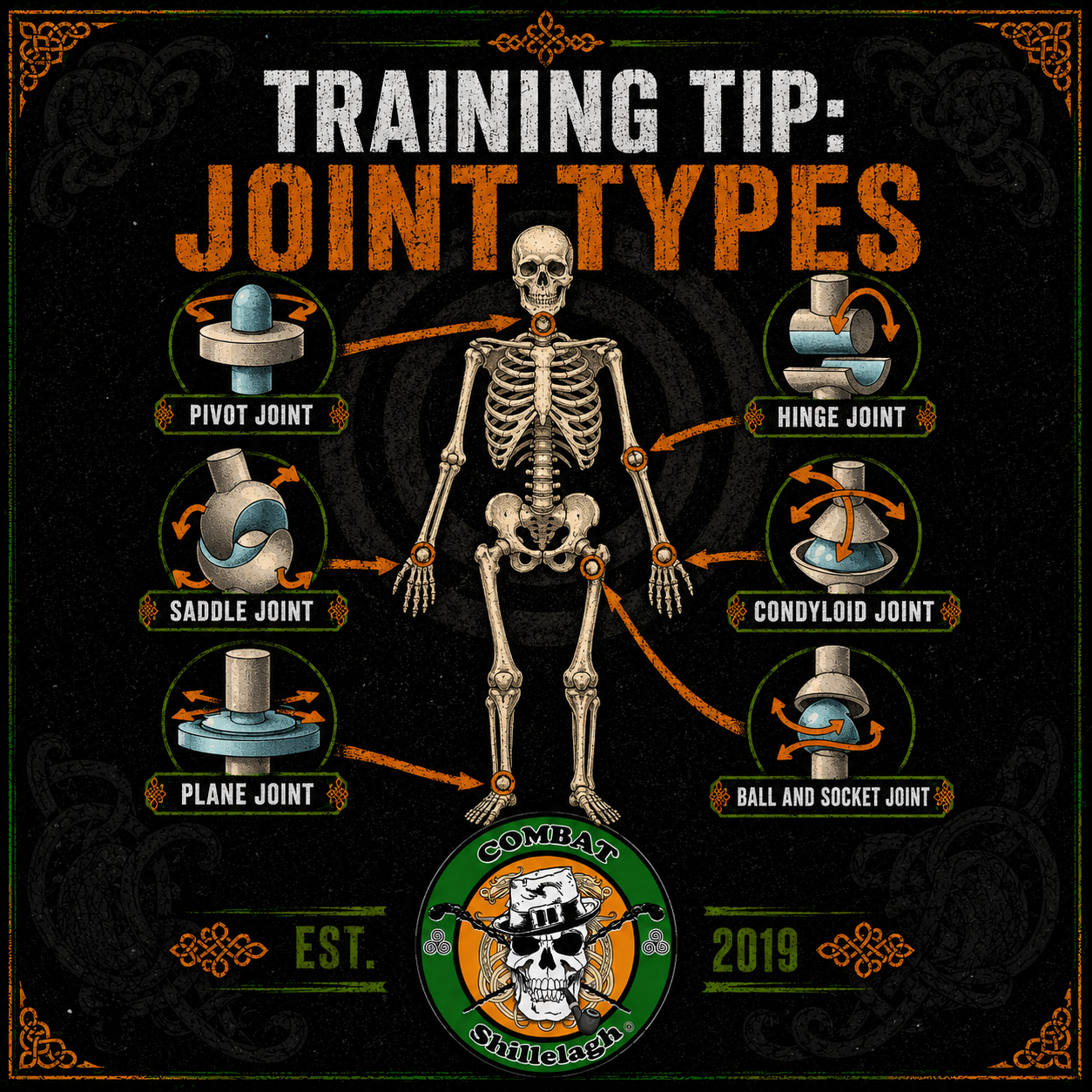
When most people first think about the hands, wrists, elbows, knees, and other joints in Irish Stick Fighting, they tend to think of them primarily as potential striking targets. There […]