Where Does the Word Shillelagh Come From?
The word Shillelagh comes from the Irish phrase sail éille which translates into English as “thonged willow-stick.” Another origination story states that the name came from a king or clan chieftain, Ealach Mac Faelchon who lived in the 7th century AD. His followers became known as the “Siol Ealaigh” meaning the seed or descendants of Ealach.
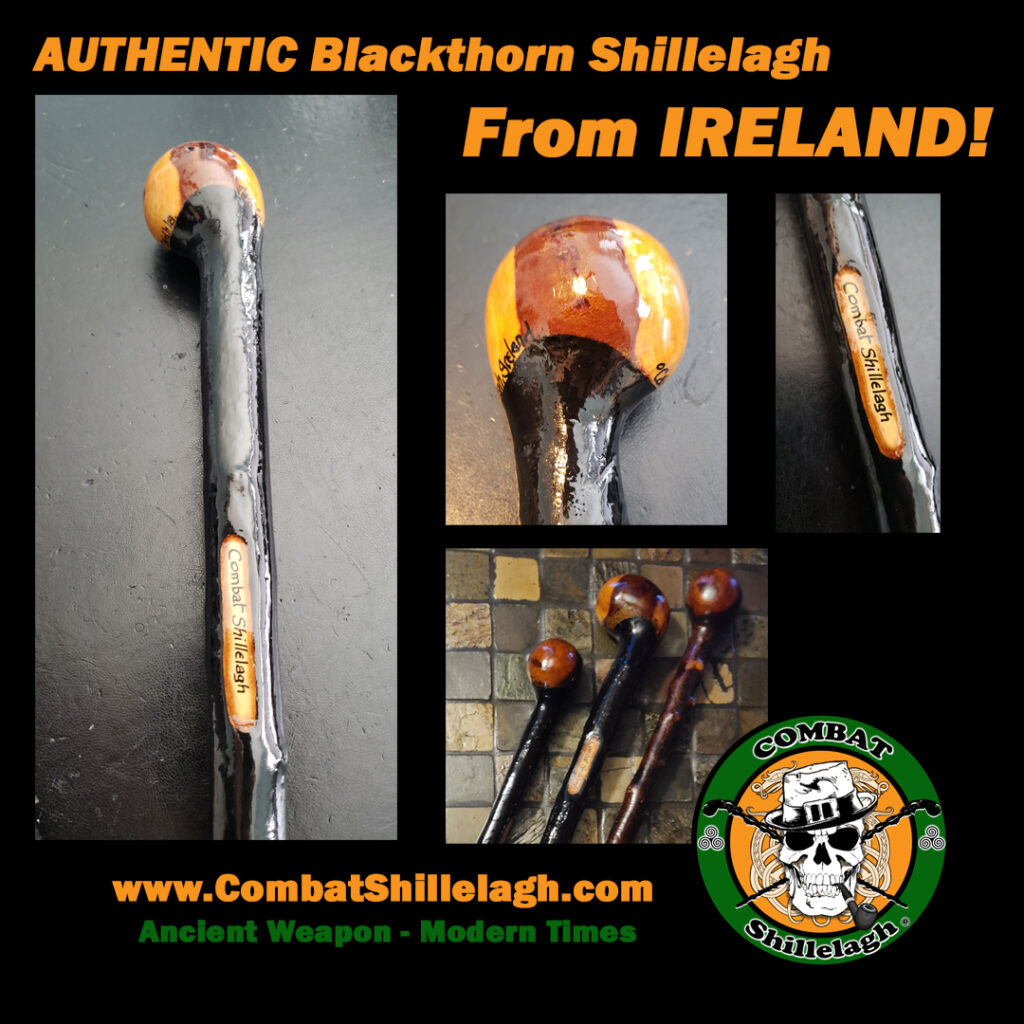
The Shillelagh Irish Fighting Stick (pronounced “shalaylee” or “sheleighly”) is thought to have originated in the village of Shillelagh, County Wicklow, which was once said to be surrounded by vast oak forests. Shillelaghs are usually made from Blackthorn wood with a leather wrist strap joined to the handle. The Shillelagh was commonly used as a walking cane or walking stick and can sometimes be described as a cudgel. It is typically made from a stout knobby and knotty stick with a knotty head, which can be used for gripping or striking.
Blackthorn has unique properties, and it delivers the correct blend of lightness and hardness which follows a process of cutting, seasoning, oiling, fashioning and sealing. This process can take up to three YEARS start to finish. Shillelaghs can be everything from ornamental keepsakes to walking sticks to lethal fighting sticks, especially when fashioned with lead “loaded” heads. There are some historical records and references that say the practice of stick-fighting in ancient Ireland was an analog to help train Irish warriors in broadsword and saber fencing. It seems that from the original Irish staff, spear, axe, stick and sword fighting methods originated the later form of Irish stick fighting which came to be associated with the Shillelagh.
Bataireacht and "Shillelagh Law"
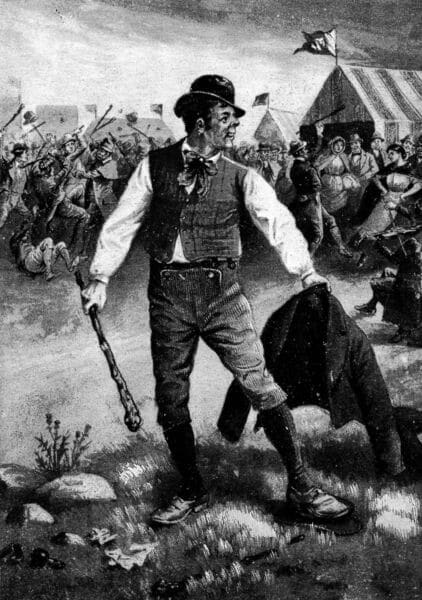
Bataireacht and “Shillelagh Law” – The Shillelagh was the primary weapon used in Bataireacht – a form of traditional Irish stick fighting popular in the 18th and 19th centuries. During the 18th century bataireacht was practiced primarily with Irish gangs called “factions” who often fought each other at gatherings and events. While most of these fights were purely for sport, they eventually took on a political and violent edge as the years went on.
Faction fights remained a common occurrence up until the 1840s and the last recorded brawl took place in 1887 at a fair in Co. Tipperary. By the 19th Century Shillelagh Irish Stick Fighting had evolved into a martial art. Fathers taught their sons how to fight and many young boys received shillelaghs (or Irish fighting sticks) as a significant rite of manhood. Some boys were educated in the ways of the Shillelagh by the local Maighistir Prionnsa or “fencing master”.
What are Shillelagh's Made From?
Historically they could have been made from many different kinds of wood, but primarily they would have been made out of Blackthorn. 🌿 What Is Blackthorn Wood?
Blackthorn (Prunus spinosa) is a small, dense, and thorny tree or shrub native to Ireland and much of Europe. It’s characterized by: Dark, nearly black bark and a fine, tight grain. Tough, heavy, and resilient wood that can withstand significant impact. It has natural thorns that, when cut and shaped, often leave distinctive knots and ridges along the handle — adding both grip and character. Blackthorn’s slow growth and density make it exceptionally strong and shock-resistant, ideal for use as a striking or walking implement. Traditionally, blackthorn is found in hedgerows and boggy areas of Ireland, and locals have harvested it for centuries for its durability and beauty.


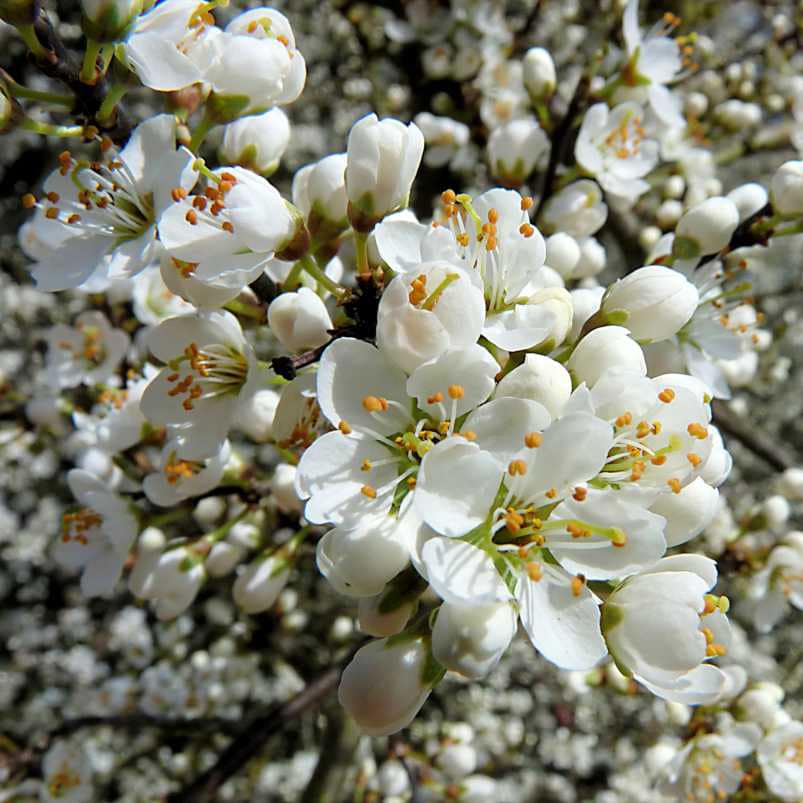
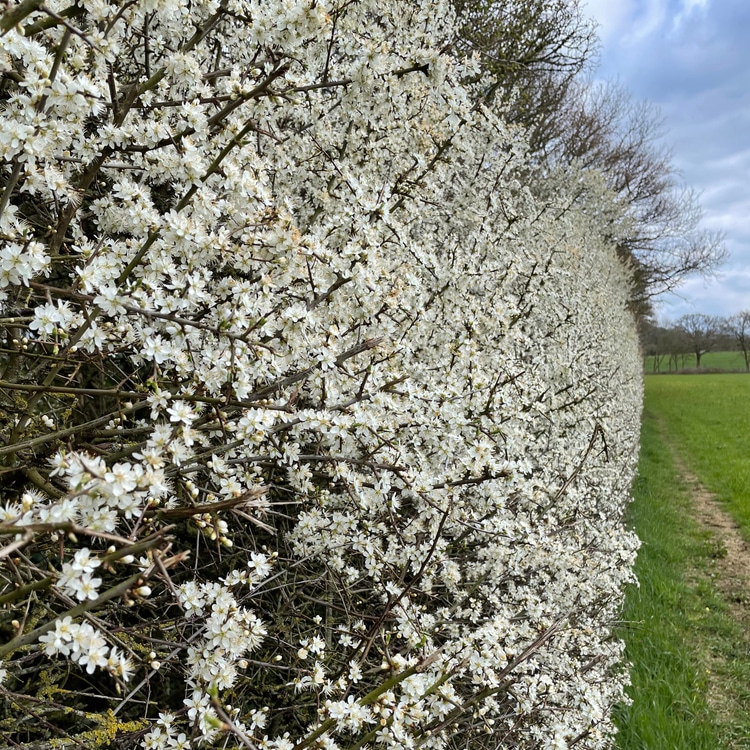
The shillelagh, a traditional Irish walking stick and weapon, is most famously crafted from blackthorn. The process typically involves:
Selecting and Harvesting the Root or Branch: Makers often choose a branch with the root knob intact, which forms the natural striking head. It is not uncommon that the selection is a fork or branch instead of the rootball as well. It’s best cut in winter when the sap is low, reducing cracking and warping.
Debarking and Shaping: The bark may be lightly scraped or left on for texture and appearance. Thorns are cut down and sanded, leaving small bumps that enhance grip.
Seasoning (Drying): The wood is seasoned for up to several years to remove moisture and prevent splitting. Some makers speed this process using a smokehouse or slow heat source.
Hardening and Curing: The stick is sometimes fire-hardened, smoked, or treated with oils and sealants. Traditional methods use butter, soot, or linseed oil to darken and preserve the wood, giving shillelaghs their characteristic black sheen.
Finishing: Handles are polished, sometimes wrapped in leather. The entire piece is balanced to serve as both a walking aid and defensive tool.
Once you own one, learn how to use it! We invite you to check out our incredible Blended Learning Program and start on your path to studying Shillelagh Irish Stick Fighting today!