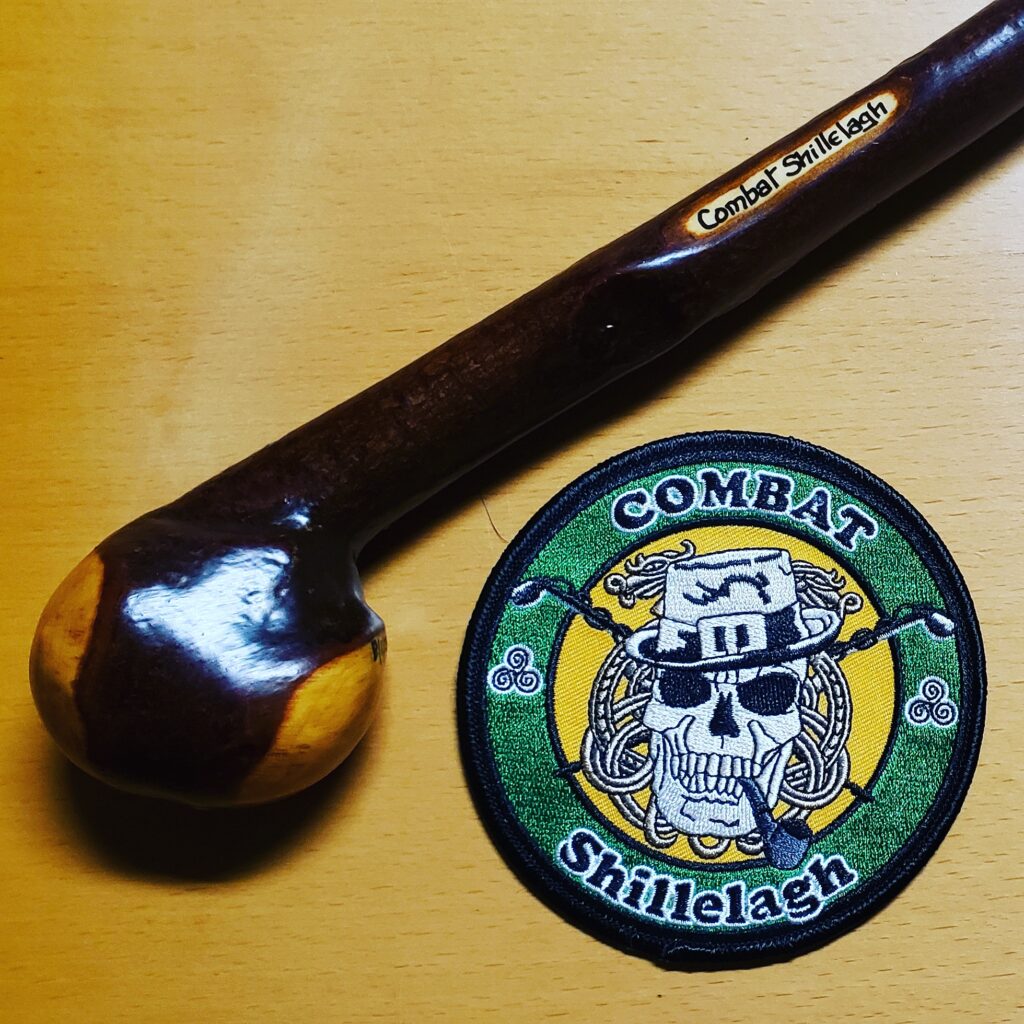
A shillelagh is absolutely a real Irish weapon, and the idea that it’s merely a folkloric symbol or novelty item is a modern misunderstanding caused largely by tourism and pop culture. Historically, the shillelagh was an everyday companion for Irish men, functioning as both a walking aid and a self-defense tool. In a time before modern policing, especially in rural Ireland, people needed something practical and reliable for personal protection. The shillelagh filled that role perfectly. It was made from incredibly dense hardwoods, cured and hardened through careful craftsmanship, and designed to withstand serious impact. This wasn’t a toy or an ornament. It was a legitimate combative instrument.
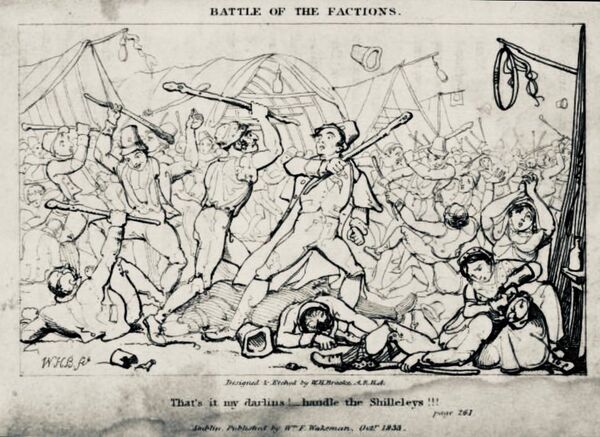
The strongest proof that the shillelagh was a real weapon comes from the history of faction fighting in eighteenth- and nineteenth-century Ireland. These weren’t casual bar fights. They were organized, often ritualized, multi-family engagements where dozens or even hundreds of participants fought using sticks, primarily shillelaghs. Eyewitness accounts, newspaper reports, court documents, and illustrations from the time all describe shillelaghs being used in structured combat. The fighters weren’t just swinging wildly. Many relied on family-taught methods handed down through generations. That body of knowledge is known collectively as the Irish martial art of stick fighting. Techniques involved precise grips, striking angles, footwork patterns, defensive structures, and binding, the art of controlling an opponent’s stick through pressure and leverage.
Over time, political and cultural shifts in Ireland pushed shillelagh fighting into the background. Faction fighting was outlawed, and the weapon became less common as firearms became more widespread and as society modernized. Tourist markets turned the shillelagh into a novelty item, mass-producing lightweight decorative sticks that looked the part but lacked the substance. That’s how the myth began that the shillelagh was mostly symbolic. Yet the deeper you go into Irish history, the more you find clear evidence that the shillelagh was an integral part of daily life for centuries, right alongside tools like the spade, the horsewhip, and the walking staff.
Today, the reality of the shillelagh as a functional martial tool is experiencing a revival. Systems like Combat Shillelagh are dedicated to preserving the practical combative side of the weapon. We don’t treat the shillelagh as a gimmick. We train with it as a legitimate martial instrument with a structured curriculum and ranking system. Students learn historically rooted techniques adapted for modern self-defense, fitness, and personal development. And because the shillelagh is essentially a short stick, it remains one of the most accessible and practical training tools available. The unique combination of history, culture, and functionality makes the shillelagh more than just a relic, it makes it a living martial tradition.
So, to answer the question directly: No, the shillelagh is not folklore. The folklore grew around the weapon, not the other way around. The shillelagh is an authentic, historically documented Irish fighting tool, and thanks to modern training systems like Combat Shillelagh, its combative legacy is very much alive today.