
Making a shillelagh is a genuine craft, one that blends tradition, woodworking skill, patience, and a deep respect for the cultural roots behind the finished piece. People sometimes imagine that creating a shillelagh is as simple as finding a nice-looking branch, trimming it down, and calling it a day, but the real process is far more intricate. In Ireland, crafting a proper shillelagh was an art passed down through generations. The wood had to be selected carefully, harvested at the right time, seasoned for months or years, hardened through heat and smoke, and finally shaped and sealed to create a tool capable of functioning as both a walking companion and a legitimate weapon.
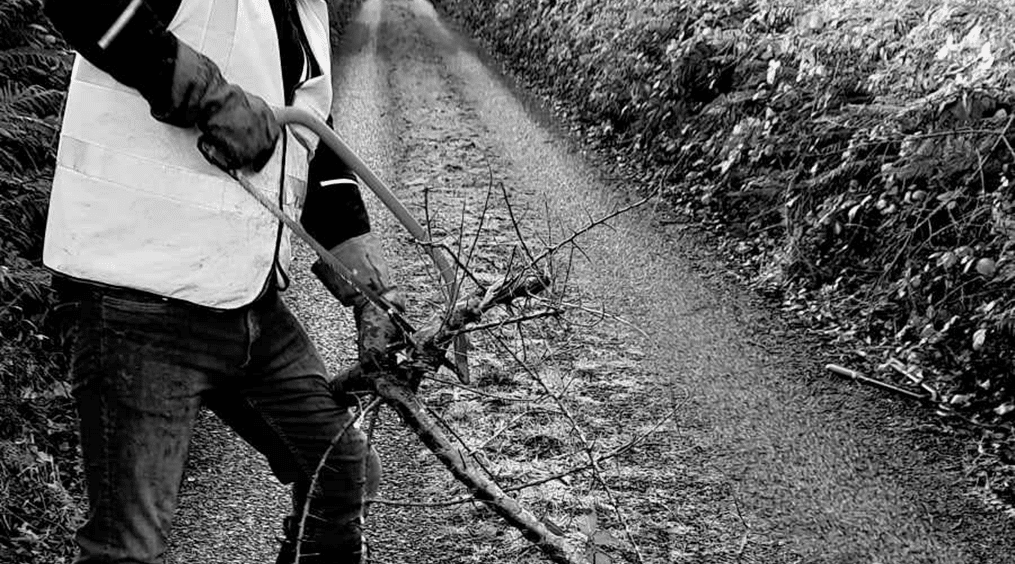
The process often begins in the winter, when tree sap is at its lowest. This reduces internal moisture and minimizes the risk of cracking or warping later on. Craftsmen search the woods or hedgerows for suitable branches, typically blackthorn, though oak, holly, ash, and hazel were also frequently used depending on what grew in the region. The ideal branch has a naturally strong grain, minimal curvature, and enough density to withstand heavy impact. When blackthorn is used, the iconic thorns must be carefully trimmed without damaging the bark, which helps protect and harden the stick over its lifetime.
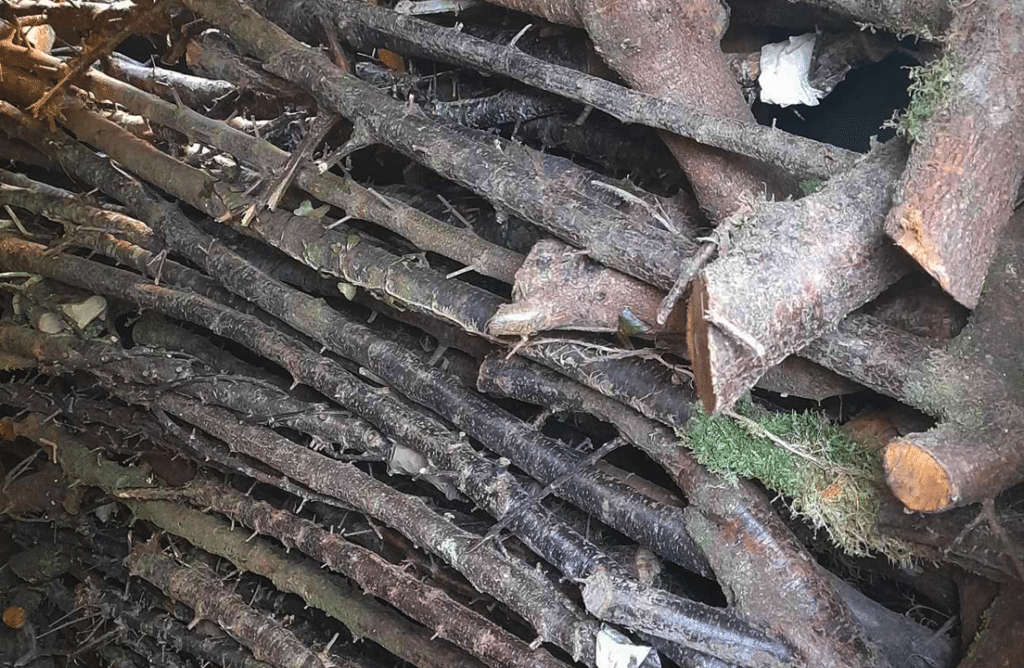
Once cut, the seasoning phase begins, and this is where the magic happens. Proper seasoning can take anywhere from six months to several years, depending on the thickness and moisture content of the wood. Some shillelagh makers store branches in dry attics, others in sheds with good airflow, and some bury them in ash or suspend them from rafters. Throughout this process, the wood slowly loses moisture, becomes more stable, and gains the hardness that makes a shillelagh so durable. A well-seasoned stick feels noticeably different in the hand, denser, more alive, and ready for finishing.
After seasoning, the craftsman may choose to heat or “smoke” the stick. This step is traditional and serves multiple purposes: it hardens the wood, evaporates any remaining sap, sterilizes the grain, and darkens the surface to create the signature deep black or rich brown tone. Unlike the painted tourist sticks sold in airports or tourist shops, a legitimate shillelagh’s color comes from either the natural finish of the bark, or with carefully selected oils, varnishes etc. The craftsman may also shape the knob (often the natural root ball) to create a comfortable grip that doubles as a devastating close-range striking surface. Every knob is unique, giving each shillelagh its own personality and story.
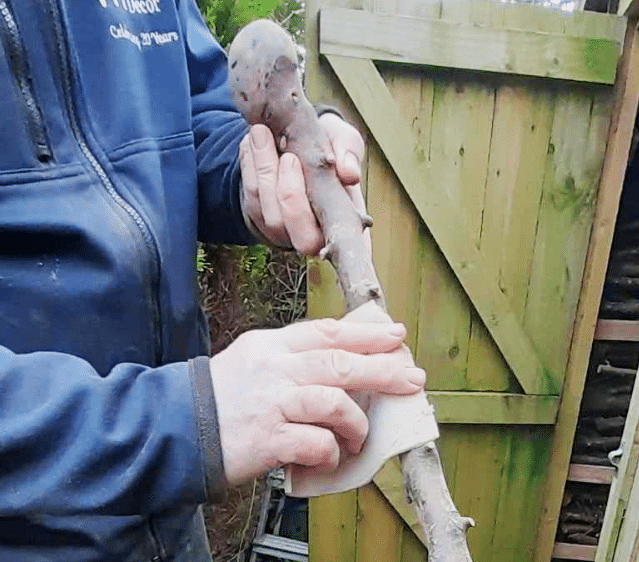
Once hardened, the shillelagh is polished, sanded, and treated with oils or waxes to preserve the finish. Linseed oil, tung oil, beeswax, and sometimes resin have historically been used to seal the wood. These finishes protect the shillelagh from moisture and enhance the natural grain, creating a tool meant to last a lifetime. Many high-quality shillelaghs become heirlooms, passed down through families as cultural artifacts.
In Combat Shillelagh, we teach students how to evaluate a properly made shillelagh, so they don’t mistake a decorative stick for a functional weapon. Students learn how to maintain their shillelagh over time, ensuring it stays strong, straight, and safe to use. You don’t have to make your own stick; most students don’t but understanding how a real shillelagh is created gives you a much deeper respect for the weapon. It reminds you that this isn’t just a piece of wood. It’s a product of craftsmanship, history, and tradition, and when used properly in training, it becomes an extension of your mind and body.