

When people begin exploring shillelaghs, one of the first things they ask is which wood is best. The answer is both simple and surprisingly nuanced. Traditionally, the premier choice for a shillelagh has always been blackthorn.
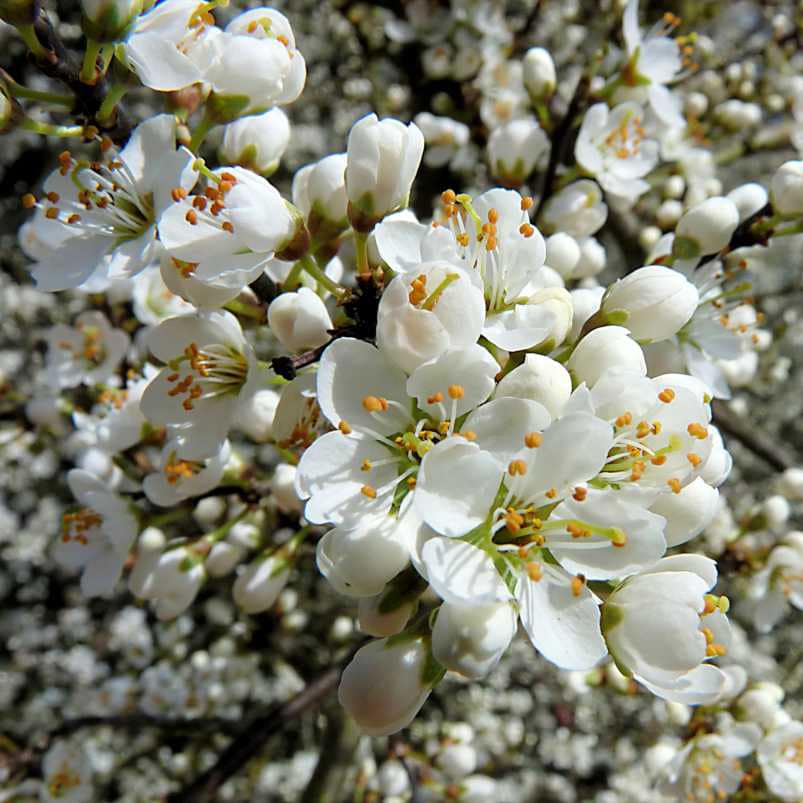
Prunus spinosa, called blackthorn or sloe, is a species of flowering plant in the rose family, Rosaceae. It is native to Europe and West Asia, and has been naturalized in parts of North America. The wood is used to make walking sticks, including the Irish shillelagh.
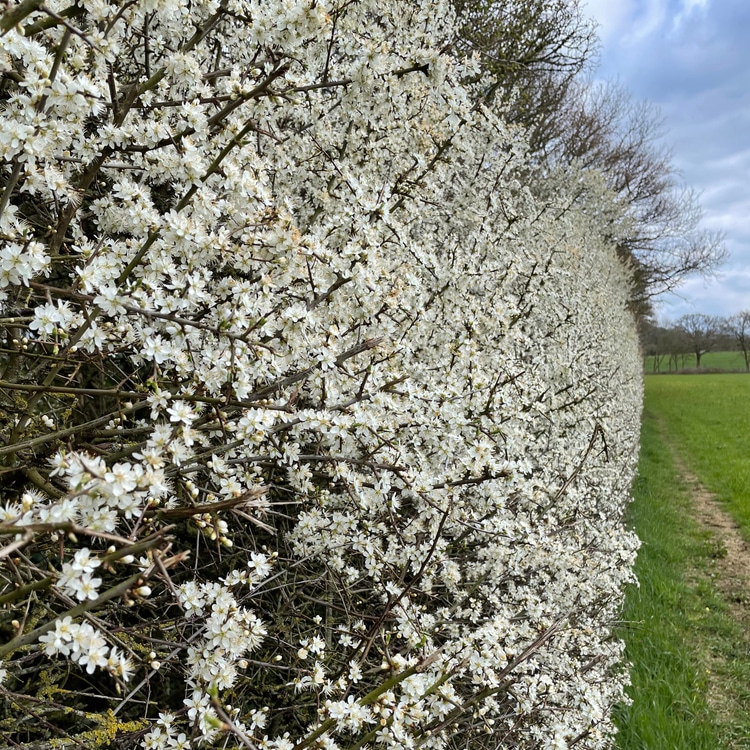
Prunus spinosa is a large deciduous shrub or small tree growing to 5 metres (16 ft) tall, with blackish bark and dense, stiff, spiny branches. The leaves are oval, 2–4.5 centimetres (3⁄4–1+3⁄4 inches) long and 1.2–2 cm (1⁄2–3⁄4 in) broad, with a serrated margin. The flowers are about 1.5 cm (1⁄2 in) in diameter, with five creamy-white petals; they are produced shortly before the leaves in early spring, and are hermaphroditic and insect-pollinated. The fruit, called a “sloe”, is a drupe 10–12 millimetres (3⁄8–1⁄2 in) in diameter, black with a purple-blue waxy bloom, ripening in autumn. In the United Kingdom, they are traditionally harvested in October or November, after the first frosts, as this makes the skin softer and easier to process for the purposes of making sloe gin.[4] Sloes are thin-fleshed, with a very strongly astringent flavour when fresh.
Blackthorn usually grows as a bush but can grow to become a tree to a height of 6 m (20 ft). Its branches usually grow forming a tangle.
Blackthorn grows all over Ireland and is known for its exceptionally dense, knotty grain and natural protective bark studded with thorns. When properly seasoned, blackthorn becomes incredibly strong and resilient, capable of absorbing tremendous impact without cracking. It also develops a dark, glossy finish that makes it immediately recognizable. But although blackthorn is the most famous shillelagh wood, it is by no means the only authentic choice. Irish craftsmen historically used whichever hardwoods grew abundantly in their area, which included oak, holly, ash, and hazel. Each wood type offered slightly different properties, oak was heavier, ash offered a springy resilience, holly was visually striking, and hazel was deceptively strong despite its lighter weight.
The real secret to a functional shillelagh is not just the species of wood but how the wood is harvested and prepared. A proper shillelagh is cut during the winter when sap levels are low. This ensures the wood dries evenly and doesn’t warp or crack. After cutting, the stick is seasoned for months or even years in a cool, dry environment. Some makers store their sticks in attics, smokehouses, sheds, or under piles of ash. The wood slowly cures, hardens, and stabilizes. Then some crafters utilize a smoking or fire-hardening process, which draws out moisture, tightens the grain, and gives the shillelagh its signature dark tint. Finally, the wood is sanded, shaped, and treated with oils, waxes, and occasionally resins to protect it for long-term use.
Cheap souvenir shillelaghs skip every one of these steps, which is why they feel flimsy and break easily, they’re decorative, not functional. Combat Shillelagh emphasizes the importance of sourcing and using a properly made shillelagh because the wood dramatically affects your training experience. Students quickly learn the difference between a piece of painted softwood and a genuine blackthorn or hardwood shillelagh. We teach students how to choose, test, care for, and maintain their sticks for long-term use. You don’t need blackthorn to begin, and many beginners start with a specifically designed oak training bata while learning the fundamentals. But once you get deeper into the art, you learn to appreciate the craftsmanship and character of a real hardwood shillelagh. Understanding the how an authentic shillelagh is made is part of understanding the art.